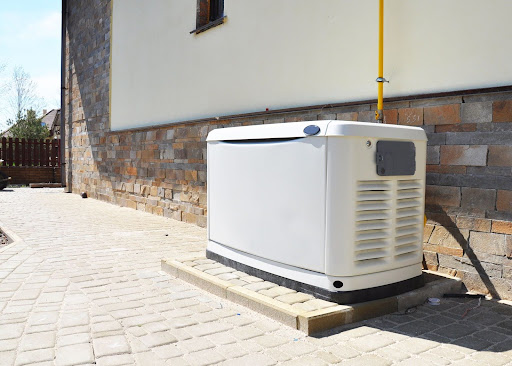
When the lights go out and your house goes quiet, a generator can make all the difference between inconvenience and comfort. But how do you choose a generator that’s right for your home? Contrary to what you might initially assume, it’s not about picking the biggest model on the shelf — it’s about finding the right size based on your home’s needs, power usage, and lifestyle.
At Staley Electric, our commercial and residential electricians have helped countless property owners navigate power outages with confidence. Whether you’re preparing for unpredictable weather or simply want peace of mind, we’ll help you understand what generator size is best for your home without overcomplicating things.
Why Generator Size Matters
Generators aren’t one-size-fits-all. Choosing the wrong size can lead to a range of issues. If the generator is too small, it may struggle to power your essentials, overheat, or trip your circuit breakers. On the other hand, a generator that’s too large may waste fuel and cost more than necessary.
So, what wattage generator do I need? It all comes down to the total electrical load you plan to support. Think about the appliances and systems you want running during a power outage: refrigerator, air conditioning, heat pump, sump pump, clothes dryer, lights, microwave oven, medical devices, and maybe even your home office setup with a laptop and Wi-Fi router. It all adds up.
Understanding Your Power Needs
To figure out what is a good size generator for a house, you need to calculate your home’s wattage requirements.
Here’s a simple rule of thumb: Start by listing the must-have appliances and devices. For example:
Refrigerator: 600–800 watts
Sump pump: 750–1,500 watts
Furnace fan: 500–1,200 watts
Microwave: 800–1,200 watts
Electric stove/oven: 2,000–5,000 watts
Air conditioner: 1,000–4,000 watts
Lights and outlets: varies by home
Medical devices: varies by type
Washing machine: 500–1,000 watts
Add up the running watts and include a cushion for starting watts. Some appliances, like refrigerators and sump pumps, require more power to start than to run. That might be the reason your circuit breaker keeps tripping randomly!
You can also use a generator size calculator, mobile app, or speak directly with a licensed electrician from Staley Electric to get an accurate number based on your specific electrical load.
Types of Generators and Fuel Options
There are several types of electric generators, and choosing the right one also depends on your fuel preference, space, and budget:
Portable Generators: Good for powering a few key appliances. They run on gasoline, diesel fuel, or propane, and are best used for short-term emergency needs or camping. However, they produce carbon monoxide, so they must be used outdoors with proper safety precautions.
Standby Generators: These automatically turn on during a power outage and can run your entire home. They’re fueled by natural gas or propane and are connected directly to your home’s electrical grid using a transfer switch. These are ideal for homeowners with medical devices, home businesses, or a need for uninterrupted comfort.
Inverter Generators: Quiet and fuel-efficient, these are great for powering sensitive electronics like computers and televisions. They adjust the engine speed to match the demand, making them environmentally friendly and good for light-duty use.
Important Features to Consider
Are you asking yourself, “What type of generator do I need?” Think beyond just wattage. Here are other factors that play a role:
Transfer Switch: Automatically or manually shifts your home to the generator power supply during an outage.
Noise Level: Larger engines tend to be louder. Inverter models are often the quietest.
Fuel Efficiency: Consider gasoline, natural gas, diesel, or propane availability and storage.
Space Requirements: Make sure there’s adequate ventilation around your generator to prevent carbon monoxide risks.
Maintenance and Warranty: Look for models that are easy to maintain and come with a strong warranty.
Budget and Installation Costs: Factor in the cost of the generator, fuel tank, installation, and any necessary plumbing or electrical work.
Let Staley Electric Help You Make the Right Investment
Choosing a generator might feel overwhelming, but you don’t have to make the decision alone. At Staley Electric, our generator installation experts take the time to understand your needs, walk through your power priorities, and recommend the right size and type for your home. From evaluating your electrical load to installing your transfer switch and ensuring your system is National Electrical Code-compliant, we handle it all.
Whether you’re installing a standby generator for the first time or upgrading your current backup system, you can trust our team to deliver reliable, safe, and lasting power solutions.
Don’t wait for the next power outage to leave you in the dark. Call Staley Electric today and let us help you choose the perfect generator for your home’s comfort and security.
Owning a generator is akin to owning a vehicle; they both provide invaluable services, but they also demand care. If you’re searching for easy whole-home generator maintenance tips, you’ve landed at the right spot. This blog will provide the most effective and essential steps on how to maintain a generator to ensure it’s ready to power your home during any unexpected power outages.
Check the Oil Level Regularly
Before starting your generator, always inspect the oil level. Much like our vehicles, generators need sufficient oil to operate efficiently. A low oil level can cause significant damage or complete generator failure in the worst cases.
Are you unsure how to maintain a generator because you’re new to owning one? The rule of thumb is to change the generator’s oil and oil filter every 100 hours of operation or at least once a year, whichever comes first. If you’re using synthetic oil, it might last a bit longer, but always refer to the manufacturer’s recommendations.
Inspect the Spark Plugs and Replace as Needed
Over time, spark plugs can become dirty or corroded. If you’re looking for easy whole-home generator maintenance tips that can make a huge difference, it’s essential to inspect and replace them regularly. A worn-out spark plug can cause your generator to run unevenly or even prevent it from starting.
Keep the Air Filter Clean
When discussing easy whole-home generator maintenance tips, we have to mention keeping up with your generator’s air filter. A clean air filter ensures that your generator runs efficiently. This means that a clogged or dirty filter can strain the machine and reduce its lifespan. Regularly inspect the air filter and clean it if it appears dusty or dirty. If it’s worn out or damaged, consider replacing it.
Test Your Generator Every 15 Minutes Monthly
If your backup generator runs on natural gas, there’s not much to worry about in terms of the fuel system. However, for those with gasoline or diesel generators, stale fuel can be a big problem. It’s advisable to run your generator for at least 15 minutes every month. This ensures that all components remain lubricated and any moisture in the system gets burned off.
Check Transfer Switches and Backup Generator Functionality
Transfer switches are crucial for a home standby generator. They detect when there’s a power outage and automatically turn on the generator. Regularly inspect and test your transfer switches to ensure they function correctly during an emergency.
Backup Generator Test Run
Your backup generator isn’t just a showpiece; it’s an emergency power lifeline. Regularly test it to ensure it will kick into action when required. This not only helps in recognizing any operational issues but also ensures that the system is always ready for unexpected power outages.
Don’t Forget About Professional Inspections
While the above generator maintenance tips are essential and easy to follow, nothing beats a professional’s expertise. Especially if you’ve recently had your generator installed, it’s recommended to have a professional assess it periodically.
Looking for Expert Maintenance? We’ve Got You Covered!
Now that you’re armed with these easy whole-home generator maintenance tips, you might wonder where to turn to for professional support. At Staley Electric, we’re more than just authorized Kohler generator dealers. We know how to maintain a generator with professionalism and close attention to detail.
Our team is proud to specialize in whole-home generator care, ensuring your unit is always in peak condition. If you reside in Little Rock, AR, and seek expert generator repair in Little Rock, AR, or just some routine generator maintenance, don’t hesitate to reach out to us.
Now that you know how to maintain a generator, you probably want to ensure your system’s longevity and efficiency. Schedule an appointment with the generator experts at Staley Electric today! Don’t wait until the next power outage to discover an issue. Regular maintenance now can save a world of hassle later.
As we reach the most dangerous months for tornado season, it’s time to think about how to prepare for power outages. There are several steps you can take to ensure your family stays safe and comfortable during Arkansas tornado season, such as by gathering supplies, keeping up with updates from the National Weather Service, and installing a whole-home generator.
Deciding to purchase a home generator is a significant decision. Little Rock, AR, is no stranger to major storms — including tornados — which can cause significant power outages. In many ways, a generator can be an excellent home improvement investment for you and your family.
Portable and standby generators are the most common types of generators for homeowners. However, what are the benefits of standby vs. portable generators?
Let’s review the pros and cons of both. After that, we’ll help you understand which generator is best for you.
Installation
When deciding on the best standby generator for home use, it’s essential to consider the installation process. Licensed electricians permanently install a home standby generator outdoors. Standby generators are also built with insulated weatherproof housing, which reduces noise.
Staley Electric has installed many backup generators in Little Rock, AR, and the immediate area. Give us a call for generator options and installation today.
On the other hand, portable generators require no installation. Since portables aren’t stationary, you’ll have to ensure you have a place to store the generator properly.
User-Friendliness
Standby vs. portable generators: which models are more user-friendly? For the most part, standby generators are stress-free to use. Standby models always turn on automatically, so you don’t have to worry about powering your home when the power goes out.
Portable generators aren’t as simple. To start a portable generator, you’ll need to fire it up with a pull cord every time. These models also need to be wheeled out of storage, then connected to an automatic transfer switch in order to be used during a power outage.
Note: Portable generators cannot be connected directly to your home’s power supply!
Fuel Type
Standby and portable models vary significantly in the fuel they use. Standby generators run on liquid propane or natural gas. With a whole-house propane tank, a standby model can typically operate for days or weeks on end without needing to be refueled.
On the other hand, a portable generator runs on gasoline and needs to be refueled often. It’s also worth noting that these types of generators require large amounts of fuel mixed with fuel stabilizer during an extended power outage.
Size
So, which is the best standby generator for home use? When deciding which size generator is best for you, it’s vital to consider the size of your home and the appliances you’d like to power.
Standby generators are often sized to provide backup power to an entire house. They can power lights, refrigerators, and even water heaters. Standbys can also power wattage appliances such as your AC unit and electric stove.
However, portable generators can only power select items. These items need to be plugged into extension cords, which will also have to be plugged into the generator.
You might think that having a large generator is the best way to go, but you should consider which generator will meet your needs while also cutting down on the amount of fuel you would need to keep stored.
Price Ranges
When considering the benefits of standby vs. portable generators, your thoughts probably wander to your wallet. How much do generators even cost?
It’s important to note that standby generators tend to be pricier than portables. The cost of a standby generator can range from $8,000 to $12,000. Don’t forget that you have to factor in the installation costs on top of that.
When deciding which model is the best standby generator for home use, it’s worth considering these costs, as well as the overall expense of fuel.
On average, portable generators cost between $400 and $1,500. Since portables don’t require installation, there’s no need to worry about expenses for installation fees.
Standby vs. Portable Generators
Certain generators have safety features that can reduce the risk of carbon monoxide poisoning. Some new models include a built-in sensor that triggers the generator to immediately shut off if carbon monoxide is detected at dangerous levels.
Additionally, professional consultation is crucial in determining which size generator is best suited for your home. If you’re still trying to decide on the best standby generator for home use, electricians can size a generator to make sure it properly fits your home and needs.
The electricians at Staley Electric can help. Staley Electric is an authorized Kohler dealer servicing Little Rock, AR, and the surrounding areas. Contact us with any questions!
Are you prepared for a power outage? With a home backup generator, your family will continue to operate as usual, and you won’t have to anticipate when the power will be restored in your neighborhood. A whole-home generator is quiet and will automatically turn on / off when needed, and, as part of our service, our team of licensed electricians will take care of everything from the generator installation to the maintenance to ensure your home generator works properly year-round.
For more than six decades, Staley Electric has been building relationships by providing solutions that exceed customer expectations. We deliver expert electrical service to residential, commercial, and industrial customers throughout the state of Arkansas.
It’s time to start planning in advance as storm weather begins to slowly approach us.
Uncomfortable temperatures, especially in the middle of winter or summer months
No lights, which means no one can do homework, read, etc.
No charging outlets for electronics like computers or phones
TVs won’t come on
Garage won’t open
Investing in a generator means you’ll never have to experience a blackout again. We understand when it comes to generators, you want one that’s affordable and reliable. There’s a lot of options out there to choose from. That’s why we created our Why You Need a Generator downloadable guide to help you learn how to protect your home and family when the weather takes a turn for the worst.
If you have any industrial or commercial electric needs, give us a call today at (501) 565-3006 or contact us online!
Power outages can strike any time at any place, and they’re especially prone to happen during severe weather. When it’s tornado season in Central Arkansas, it’s important to make sure you’re protecting your home and family from the stress of a power outage. Not only are they stressful, but they can also be costly and even dangerous. Food can spoil, people who depend on medical devices are put at risk, and during winter weather, pipes can freeze. How can you protect your home from severe weather and power outages?
A whole-home generator can restore your home’s power whether you’re home or away! Whole-home generators work by storing energy that is used when the system detects a problem with your home’s power. Within seconds after a power outage, the generator will turn on and generate electricity until your utility power is restored.
Our team at Staley Electric understands the importance of keeping your home running smoothly, no matter the weather. Our team of electricians will take care of everything from the installation of your whole home generator, to the maintenance. We will ensure that your home generator works properly year-round. Staley Electric is a KOHLER® Platinum Sales & Service Dealer. The Platinum dealer program rewards dealers for providing a high level of quality service for KOHLER® products and their customers. If you’re ready to weather any storm, give us a call at 501-214-7534 or fill out our form on our homepage to contact us. Need more information about whole-home generators? Download our Why You Need A Generator guide!