
AFCI vs. GFCI: What’s the Difference?
Have you finally decided to invest in that new home addition you’ve always been dreaming of? Or maybe you’re getting ready to upgrade your master bath? In either case, you’ve likely come across the importance of AFCI and GFCI protection. But with all the acronyms floating around from one industry to another, you might not be quite sure what AFCI and GFCI actually stand for, much less whether you should invest in AFCI vs. GFCI outlets.
Thankfully, our residential electricians in Little Rock, AR, are here to clear away the confusion and help you make an informed decision for your home and family’s safety. Let’s take a closer look at the difference between GFCI and AFCI breaker protection.
What Is GFCI Protection?
GFCI stands for Ground Fault Circuit Interrupter. It is a device designed to protect people from electric shock and can come in the form of an outlet (electrical receptacle) or breaker switch. The GFCI outlets are most commonly found in areas where water and electricity might come into contact, like bathrooms, kitchens, garages, laundry rooms, and outdoor spaces.
What Is the Purpose of a Ground Fault Circuit Interrupter Device?
A GFCI constantly monitors the flow of electricity through a circuit. The moment it detects even the slightest imbalance (meaning some of the current is escaping the circuit), it cuts the power almost instantly, often in less than 1/40 of a second. This split-second response can be life-saving.
What Types of GFCIs Are There?
There are two main types of GFCI protection for homes:
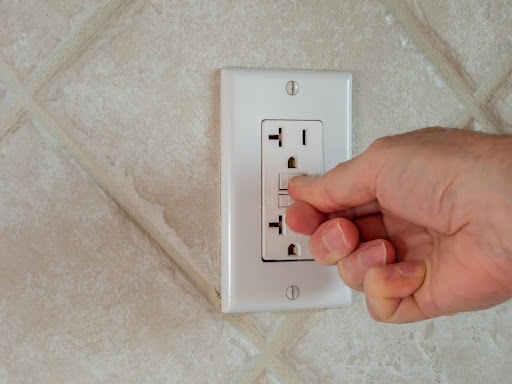
- Receptacle GFCIs: These are the most familiar kind and are installed directly into wall outlets. You’ll often recognize them by their “TEST” and “RESET” buttons.
- Circuit Breaker GFCIs: Installed in your home’s electrical panel, these devices protect all outlets and fixtures on a specific circuit from electrical faults.
No matter which type you choose or an electrician recommends for your home, you can trust the device to prevent electric shock.
Where Is a GFCI Outlet Needed & How Does It Work?
According to the National Electrical Code (NEC), GFCIs are required in any location where water or moisture is present. This includes:
- Bathrooms
- Kitchens (especially near sinks)
- Garages
- Basements
- Laundry rooms
- Outdoor living spaces
As we mentioned earlier, a GFCI outlet continuously monitors the current flowing in and out of a circuit. If it detects a difference as small as 4 to 6 milliamps, it immediately shuts down the circuit, protecting anyone nearby from a potentially fatal electric shock.
How Is AFCI Protection Different From GFCI Protection?
While GFCIs protect people from electrical shock, AFCIs (Arc Fault Circuit Interrupters) protect homes from electrical fires.
Arcing faults occur when electricity jumps from one conductor to another, generating intense heat that can ignite surrounding materials like insulation, drywall, or wood framing. AFCIs are designed to detect these dangerous arc faults and immediately shut down the circuit before a fire can start.
What Are the Different Types of AFCIs?
Similar to GFCIs, AFCIs come in two main forms:
- AFCI Circuit Breaker: Installed in your electrical panel, this device provides arc-fault protection for the entire branch circuit, including all the wiring in the walls, cords plugged into the outlets, and the outlets themselves.
- AFCI Receptacle: This type of outlet provides arc-fault protection starting at that specific outlet. It’s often used in older homes as a retrofit solution where installing new breakers might be more complex.
Are AFCIs Necessary?
Absolutely. The U.S. Fire Administration reports that thousands of home electrical fires occur each year due to wiring problems — many of which could be prevented by AFCI protection. Even a tiny arc, smaller than the one produced by a lighter, can generate enough heat to ignite building materials.
Installing AFCI protection gives you peace of mind knowing your electrical system is proactively guarding against one of the most common causes of household fires. It’s an especially smart upgrade if your home was built before the early 2000s, when AFCIs became a requirement in many residential areas.
What Causes Arc Faults?
Arc faults can result from a variety of common household issues, including:
- Damaged or frayed cords
- Loose electrical connections
- Nails or screws penetrating electrical wiring behind walls
- Worn or aging insulation
- Overheated or overloaded circuits
These problems often go unnoticed until an AFCI breaker detects the irregular current and interrupts power before a dangerous fire can start.
AFCI vs. GFCI Outlets: Which One Do You Need?
In short, both. GFCIs and AFCIs serve different but equally vital roles in home safety. For example, GFCIs keep you and your loved ones safe from electric shock, while AFCIs safeguard your home from electrical fires.
Most modern homes are equipped with both types of protection — GFCIs where water is present and AFCIs throughout living spaces. In some cases, a dual-function outlet or breaker can provide both kinds of protection at once.
Protect Your Home With Staley Electric
Do you need a GFCI outlet installation or AFCI breaker upgrades? Our Little Rock electricians make it easy to improve your home’s safety and will make sure your electrical system meets modern electrical codes for lasting protection.
Contact the experts at Staley Electric today to schedule an inspection or request a quote on outlet installation services. Your family’s safety (and your peace of mind) is always worth the investment.
Recent Comments