
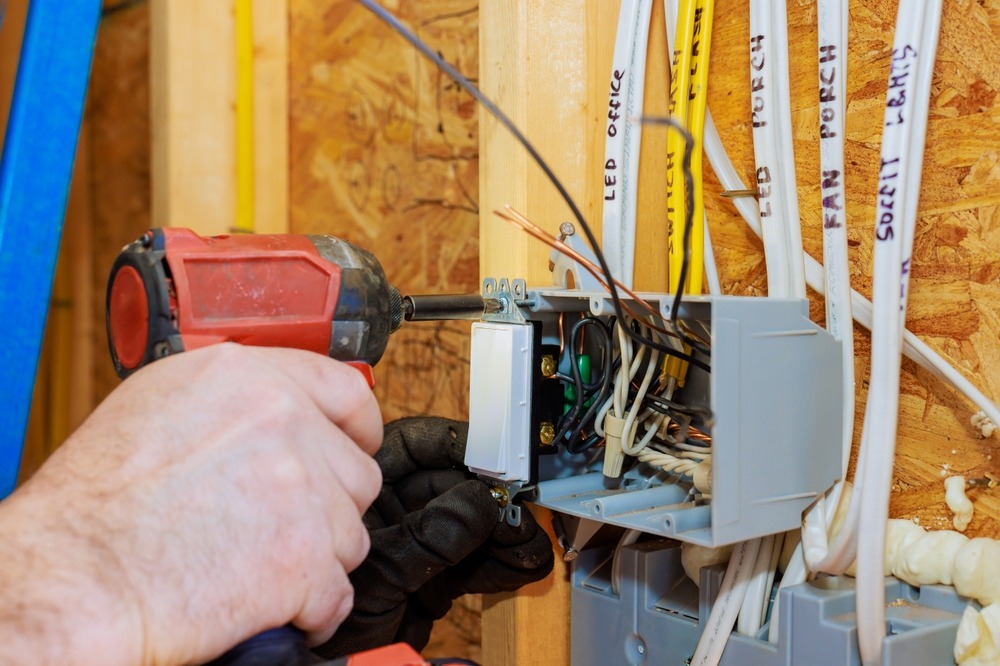
There is an undeniable thrill that comes with the first stages of a home renovation. Whether you are scrolling through design boards for a gourmet kitchen, sketching out a luxury master suite, or finally turning that unfinished basement into a high-tech media room, the possibilities feel endless. However, amidst the excitement of picking out tile patterns and paint swatches, it is easy to overlook the most critical component of the project: the “behind-the-scenes” electrical infrastructure.
The electrical system is the nervous system of your home. To ensure your new space remains functional, safe, and efficient for decades to come, your electrical plan must be finalized well before the first sheet of drywall goes up. Retrofitting wires or adding outlets after the walls are finished is not only expensive but often structurally difficult. By prioritizing your electrical needs at the start, you can ensure that your dream remodel is as powerful as it is beautiful.
Auditing Your Current Load Capacity
Before you fall in love with a high-end induction cooktop or a multi-jet steam shower, you need to know if your home can actually handle the extra demand. Most older homes in Little Rock were built for a different era of energy consumption, where a family might have a single television and a few basic kitchen appliances. Today, we have smart refrigerators, electric vehicle chargers, and powerful HVAC systems all pulling from the same source.
The first step in any remodel should be a professional load audit. An expert electrician will evaluate your current service panel, typically rated at 100 or 200 amps, to determine how much “headroom” you have left. If your panel is already nearing its capacity, adding a major appliance could cause frequent breaker trips or, worse, overheating. In many cases, a remodel is the perfect time to upgrade your electrical service to ensure your home’s electrical “foundation” is strong enough to support your modern lifestyle.
Planning for Smart Home Integration
In 2026, a home remodel that doesn’t account for smart technology is a missed opportunity. While wireless technology has come a long way, the most reliable smart homes rely on a backbone of hardwired connections. When your walls are open, you have a golden opportunity to “future-proof” your living space in ways that are impossible once the construction is complete.
Consider where you might want smart lighting hubs, automated window shades, or built-in security cameras. Beyond just convenience, hardwiring these devices ensures they won’t clog your Wi-Fi bandwidth or suffer from signal drops. Additionally, if you plan to install built-in speakers or a dedicated home theater, running high-quality audio and data cables now will prevent the unsightly appearance of exposed wires later. Think about your needs not just for today, but for what technology might look like five or ten years down the road.
The Necessity of Proper Outlet Placement: Kitchens and Baths
If you’ve ever had to use an extension cord on a kitchen counter or found yourself stretching a phone charger across a bathroom vanity, you know how frustrating poor outlet placement can be. In kitchens and bathrooms, outlet placement is about safety and meeting strict building codes.
The Modern Kitchen
Modern kitchens require a high power density. Beyond the standard outlets for your toaster and coffee maker, consider the “hidden” needs. Do you want an outlet inside a pantry for a rechargeable vacuum? Would you like a pop-up outlet built into your kitchen island so you can use a laptop or a mixer without cords draping over the edge? Remember that heavy-duty appliances like dishwashers and microwaves often require dedicated circuits to prevent them from overloading a shared line.
The Functional Bathroom
Bathrooms have become personal spas, and spas need power. Modern remodels often include lighted mirrors, electric toothbrushes, and heated towel racks. Planning for these during the electrical phase ensures that cords are tucked away and that all outlets near water sources are equipped with Ground Fault Circuit Interrupter (GFCI) protection. Strategic placement near the vanity and even inside medicine cabinets can keep your counters clutter-free and safe.
The Importance of Permitted Work for Future Home Value
It can be tempting to cut costs by hiring an unlicensed “handyman” or by doing the wiring yourself without a permit. However, this decision almost always backfires. Electrical work is one of the most highly regulated aspects of home construction for a reason: mistakes lead to fires.
When you pull a permit for your electrical work, you are ensuring that a professional city inspector will verify that every wire and breaker meets the National Electrical Code (NEC). This provides an essential layer of safety for your family. Furthermore, when it comes time to sell your home, savvy buyers and home inspectors will look for permitted work. If you have unpermitted electrical upgrades, it can stall a sale, force you to tear out finished walls for an inspection, or even lead your insurance company to deny a claim in the event of an accident. Professional, permitted work is an investment in your home’s long-term resale value and your own peace of mind.
Start Your Remodel with Confidence
Don’t wait until the drywall is up to think about where your lights and outlets should go. A successful renovation begins with a smart electrical plan. If you are a homeowner in Little Rock or the surrounding areas, let our team of experts help you lay the groundwork for a safe and functional home.
Contact Staley Electric today to schedule a pre-remodel consultation. We’ll help you audit your power capacity and ensure that your new vision is powered correctly from the very beginning.