
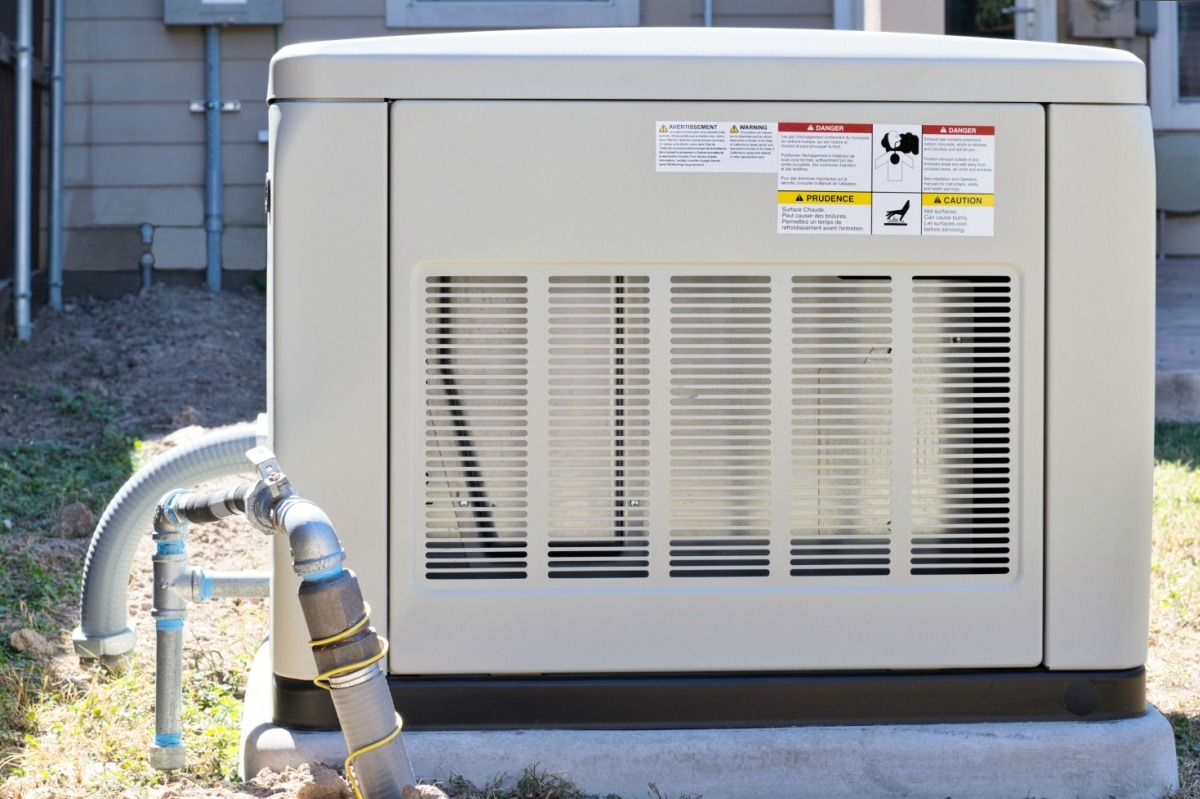
Severe storms and extreme weather can arrive quickly in Arkansas. Strong winds, heavy rain, lightning, and sudden temperature swings often lead to power outages that disrupt daily life. When the electricity goes out, even routine tasks can become difficult. Lights stop working, refrigerators warm up, and heating or cooling systems shut down. During longer outages, families may find themselves scrambling for solutions to stay comfortable and safe.
That is why many homeowners rely on backup generators. When the electrical grid goes down, a properly maintained generator can help keep lights on, appliances running, and families comfortable until power is restored. From preserving food in the refrigerator to powering essential medical devices, a reliable generator can make a major difference during a storm.
However, simply owning a generator is not enough. Preparing your generator before severe weather arrives is essential to ensure it works when you need it most. Without proper maintenance and preparation, even a high-quality generator may fail to start or operate effectively during an outage.
Inspect Your Generator Before Storm Season
One of the most important steps in preparing your generator is performing a thorough inspection before storm season begins. Many homeowners store generators for months without using them, which means small problems can go unnoticed until an emergency occurs.
Start by examining the exterior of the generator. Look for signs of wear, rust, or physical damage that may have developed during storage. Make sure all covers and protective components are secure and intact.
Next, check the following key components:
- Air filters for dirt or blockages
- Oil levels and oil condition
- Spark plugs for wear or buildup
- Battery connections for corrosion
- Fuel lines for cracks or leaks
If any parts appear worn or damaged, they should be repaired or replaced before severe weather arrives. Identifying issues early helps ensure the generator performs reliably when the power goes out.
Test Your Generator Regularly
Even if your generator appears to be in good condition, it should still be tested periodically. Regular test runs allow you to confirm that the unit starts easily and operates smoothly.
Running the generator for a short period every month helps keep the engine components lubricated and prevents internal parts from seizing. During these test runs, pay attention to how the generator starts and runs. Unusual noises, excessive vibration, or difficulty starting may indicate that maintenance is needed.
Testing your generator also helps confirm that it can properly power essential appliances and equipment. If your home relies on the generator during outages, knowing that it functions correctly can provide valuable peace of mind.
Check Fuel Levels and Fuel Storage
Fuel is the lifeblood of any generator, and ensuring an adequate supply is a key part of storm preparation. Running out of fuel during an extended outage can quickly leave your home without power.
Check the generator’s fuel tank to confirm it is filled and ready to operate. If you store additional fuel, inspect storage containers to ensure they are sealed and in good condition.
When storing generator fuel, keep these safety tips in mind:
- Use approved fuel containers designed for gasoline or diesel storage
- Store fuel in a cool, well-ventilated area away from living spaces
- Rotate stored fuel periodically to prevent degradation
- Clearly label fuel containers and keep them out of reach of children
Maintaining a reliable fuel supply ensures your generator can continue operating during longer outages caused by severe storms.
Inspect Extension Cords and Connections
If you use a portable generator, extension cords play a critical role in safely delivering electricity to your home’s appliances and devices. Damaged or undersized cords can create electrical hazards and reduce generator performance.
Before storm season arrives, carefully inspect your extension cords. Look for frayed insulation, exposed wires, or loose plugs that may indicate damage.
It is also important to ensure that cords are rated for outdoor use and can handle the electrical load of your appliances. Heavy-duty cords designed for generator use are typically the safest choice.
Proper connections help prevent overheating, electrical shorts, and other problems that could interrupt your generator’s performance during an outage.
Keep Your Generator in a Safe Location
Generator placement is another important safety consideration. Improper placement can create serious hazards, including the risk of carbon monoxide exposure.
Portable generators should always be operated outdoors in a well-ventilated area. Never run a generator inside a home, garage, basement, or enclosed porch. Even if doors or windows are open, harmful exhaust fumes can quickly accumulate.
For safe operation, follow these general guidelines:
- Place the generator at least 20 feet away from the home
- Position the exhaust so fumes move away from doors and windows
- Operate the generator on a flat, stable surface
- Protect the generator from rain and standing water
Proper placement ensures that the generator operates safely while still providing reliable backup power during storms.
Schedule Professional Generator Maintenance
While homeowners can handle basic inspections and preparation tasks, professional generator maintenance offers deeper protection. A trained electrician can identify issues that may not be obvious during a routine visual inspection.
During a professional generator service appointment, electricians can:
- Inspect internal engine components
- Test electrical connections and wiring
- Evaluate generator output and performance
- Identify worn parts that may need replacement
- Ensure the generator is ready for emergency operation
Routine professional maintenance helps prevent unexpected breakdowns and ensures the generator operates efficiently during power outages.
Reliable Backup Power Starts with Proper Preparation
Severe storms are an unavoidable part of life in Arkansas, and power outages often accompany them. Having a backup generator can make a major difference when storms disrupt the electrical grid. However, the reliability of that generator depends heavily on preparation and maintenance.
Regular inspections, test runs, proper fuel storage, and safe generator placement all play important roles in ensuring your equipment performs as expected. Taking these steps ahead of storm season can help prevent frustrating problems when the power goes out.
For homeowners throughout Little Rock and surrounding communities, Staley Electric offers dependable electrical expertise backed by 75 years of experience. Our team is committed to helping homeowners maintain safe and reliable electrical systems, including backup generators that provide peace of mind during storms.
If you want to make sure your generator is ready for the next severe weather event, contact Staley Electric today. Our experienced electricians can help you prepare your generator, evaluate your electrical system, and ensure your home has reliable backup power when you need it most.