Electric vehicles continue to gain popularity as more drivers look for efficient and cost-conscious transportation options. For many homeowners, the next step after buying an EV involves deciding how to charge it at home. Understanding the difference between Level 1 and Level 2 EV charging helps you choose a setup that fits your daily routine and long-term needs.
Home charging may sound simple at first, but power requirements, charging speed, and electrical capacity all play a role. Knowing what separates Level 1 from Level 2 charging can help you avoid frustration and make smarter decisions about your home’s electrical system.
What Is Level 1 EV Charging?
Level 1 charging uses a standard household outlet, the same type used for lamps or small appliances. Most electric vehicles include a Level 1 charging cord, making it the most accessible option for new EV owners.
This charging method relies on a 120-volt outlet and does not require special equipment or electrical upgrades. While convenient, Level 1 charging works best for drivers with limited daily mileage or access to extended charging time.
How Fast Is Level 1 Charging?
Level 1 charging provides a modest charging rate. On average, it adds a few miles of driving range per hour of charging time. This means an overnight charge may only restore a portion of the battery, depending on vehicle size and battery capacity. For some drivers, this pace works well, while others may find it limiting.
Pros and Limitations of Level 1 Charging
Level 1 charging offers simplicity, but it comes with tradeoffs. Understanding both sides helps set realistic expectations.
- Uses existing outlets with no special equipment
- Works well for low daily driving needs
- Requires long charging periods to reach full capacity
Homes with older wiring or shared circuits may also face limitations when relying on Level 1 charging.
What Is Level 2 EV Charging?
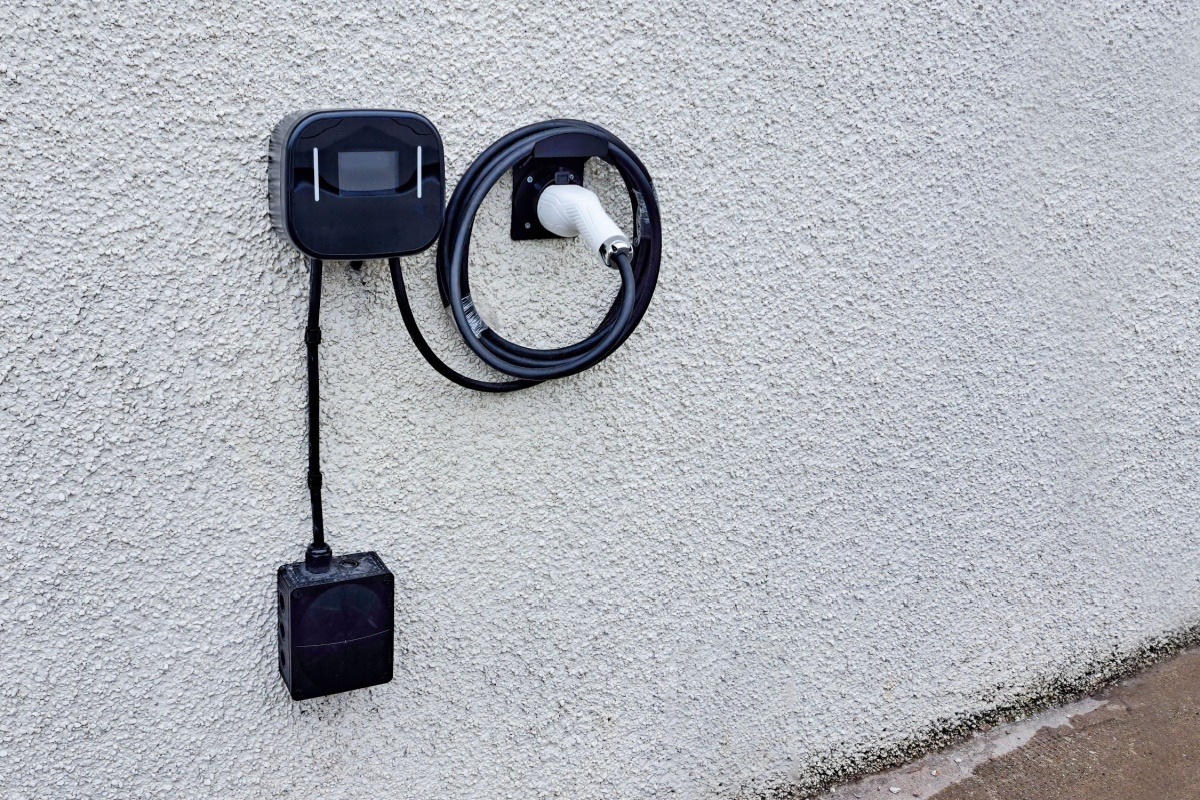
Level 2 charging uses a dedicated charging station connected to a 240-volt power supply. This setup delivers significantly faster charging compared to Level 1 and is a popular choice for homeowners who drive regularly.
Installing Level 2 charging typically involves electrical upgrades and professional installation. The result is a more efficient and convenient charging experience.
How Fast Is Level 2 Charging?
Level 2 charging provides a much higher charging rate than standard outlets. Many EVs can gain a substantial amount of range in just a few hours. This faster pace supports daily use and reduces the need to plan charging days in advance. For households with multiple EVs or longer commutes, this speed can make a noticeable difference.
Advantages of Level 2 Charging at Home
Level 2 charging offers practical benefits that appeal to many EV owners. It supports modern driving habits and provides flexibility.
- Faster charging times for daily use
- Dedicated circuit designed for EV power demands
- Greater convenience for busy schedules
Level 2 charging stations also offer features like scheduling and monitoring, depending on the model.
Key Differences Between Level 1 and Level 2 Charging
Comparing Level 1 vs. Level 2 EV charging comes down to speed, electrical requirements, and lifestyle fit. Level 1 uses existing outlets but charges slowly. Level 2 requires installation but delivers faster results.
For drivers who commute daily or rely heavily on their EV, Level 2 charging often becomes the preferred option. Those with lighter driving needs may find Level 1 charging sufficient for now.
Electrical Requirements for Level 2 EV Charging
Installing Level 2 charging involves more than plugging in new equipment. Your home’s electrical panel must support the added load, and a dedicated circuit is required.
An electrician evaluates panel capacity, wiring condition, and available space for breakers. In some cases, panel upgrades may be recommended to support safe and reliable charging.
Why Professional Installation Matters
EV charging equipment draws consistent power for extended periods. Professional EV charger installation helps protect your electrical system and supports proper operation.
Licensed electricians understand local code requirements and load calculations. Their expertise helps avoid issues tied to overloaded circuits or improper wiring.
Cost Considerations for EV Home Charging
Level 1 charging typically involves no installation cost beyond basic outlet access. Level 2 charging includes equipment costs and installation labor.
While the upfront cost of Level 2 charging is higher, many homeowners find the convenience and time savings worthwhile. Utility incentives or rebates may also be available depending on location and utility provider.
Which EV Charging Level Fits Your Lifestyle?
Choosing between Level 1 and Level 2 charging depends on how you use your vehicle. Drivers with short commutes and long parking windows may manage with Level 1 charging, while those who rely on their EV daily or want faster turnaround times often prefer Level 2 charging. Evaluating your driving habits helps guide the decision.
Questions to Ask Before Choosing
Thinking through a few practical questions can clarify your needs.
- How many miles do you drive on a typical day
- How much time do you have available for charging
- Does your electrical panel support additional load
These answers help determine which charging level aligns with your routine.
Planning Ahead for EV Charging
As EV technology continues to evolve, charging needs may change. Installing Level 2 charging now can support future vehicles and reduce the need for upgrades later.
Homes with multiple drivers or plans to add another EV often benefit from proactive planning. An electrician can help assess long-term capacity and options.
Talk With Staley Electric About EV Charging Installation
Choosing the right EV charging setup starts with understanding your home’s electrical system and your driving habits. Staley Electric helps homeowners across Little Rock evaluate options and install EV charging solutions that support safe, reliable use.
If you are considering Level 1 or Level 2 EV charging at home, reach out to Staley Electric to schedule a consultation. Our experienced electricians can review your setup, explain your options, and help you move forward with confidence.