
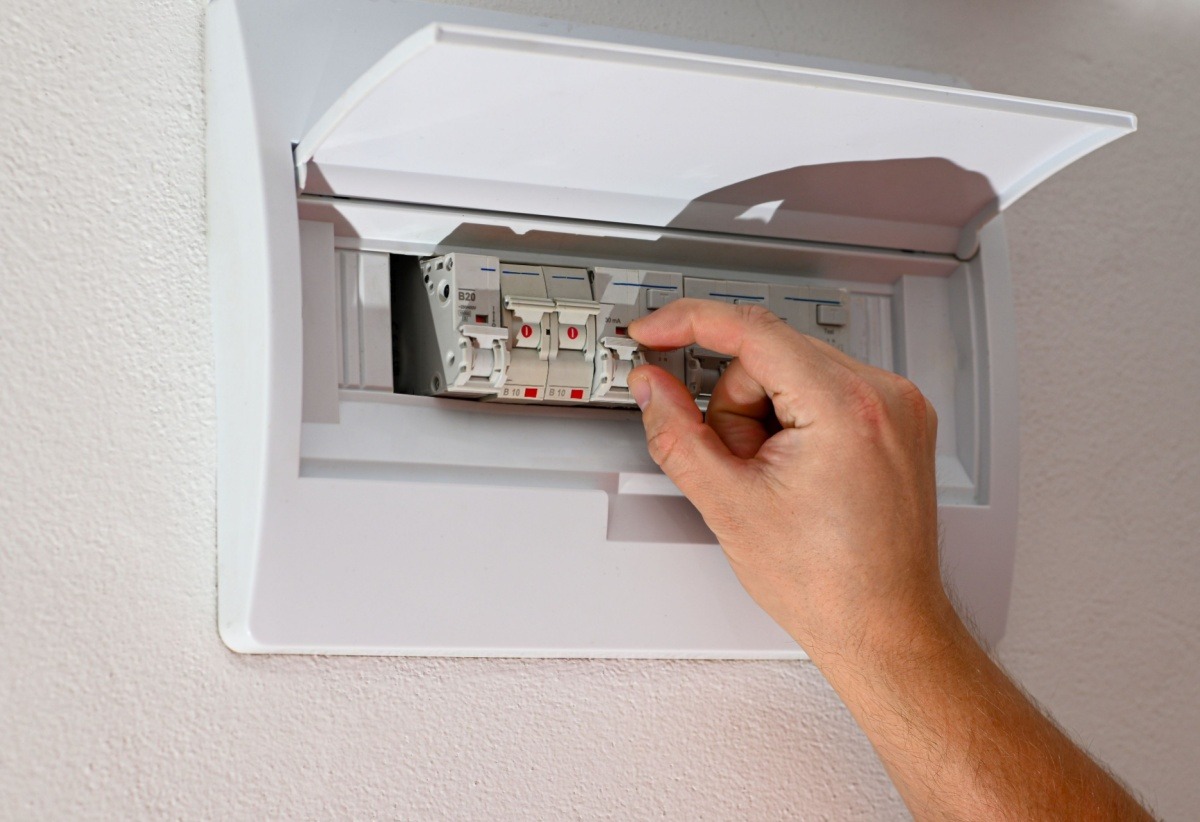
Understanding how electricity moves through your home is an important part of keeping it safe and functional. An overloaded circuit occurs when more electric current flows through it than it was designed to handle. This condition places stress on electrical wiring, devices, and components, increasing the risk of damage or fire. Recognizing problems early helps protect your home and the electronics you rely on every day.
What Does It Mean When a Circuit Is Overloaded?
An electrical circuit overload occurs when the electrical load exceeds the circuit’s rated capacity. Every circuit breaker or fuse is designed to handle a specific watt limit based on wire size, breaker rating, and the overall power supply.
When too many devices draw power simultaneously, heat builds up in the wire and its connections. Over time, repeated overloading of circuit components can damage insulation, switches, and outlets.
Common Signs of Overloaded Circuits
Overloaded circuits rarely fail without warning. In many cases, your home provides clues before a major issue develops.
Physical and Performance Warning Signs
Several symptoms often appear when an electrical circuit overload is present.
- Frequent tripping of the breakers during normal use
- Flickering lighting or dimming when appliances start
- Warm wall plates or an overheating light fixture
- Buzzing sounds from outlets or switches
These signs point to stress within the electric circuit and should not be ignored.
Breaker and Fuse Behavior
Circuit breakers and fuses exist to interrupt power during unsafe conditions. An overloaded breaker may trip repeatedly, while a fuse may blow and cut power to part of the home. If replacing a fuse or resetting a breaker only provides temporary relief, the issue often relates to an overloaded power outlet or an overloaded circuit branch.
Why Circuits Become Overloaded
Modern homes use more electronics than ever before. From entertainment systems to kitchen appliances, demand on electrical wiring continues to rise.
One common cause is plugging multiple high-watt devices into the same overload electrical outlet. Another frequent issue involves extension cord use, which can concentrate power draw on a single outlet not designed for sustained load.
Hidden Contributors to Overloading
Some causes of electrical overload are not obvious at first glance. Older homes may have wiring sized for lower electrical load demands. Aging connections, loose wire terminals, or outdated switches can also increase resistance, which generates heat and worsens overload conditions.
The Difference Between Overload and Short Circuit
An electrical overload builds gradually as demand increases. A short circuit occurs when electric current takes an unintended path, often due to damaged insulation or exposed wire.
Short circuit events usually trip breakers immediately and may produce sparks. Overloads develop over time and often show symptoms like heat buildup and repeated breaker trips.
How Electronics and Circuits Interact
Inside many devices, electricity flows through an electronic circuit that may include components like a capacitor, resistor, diode, transistor, and printed circuit board. These components rely on controlled current levels to function correctly.
When voltage or current fluctuates due to an overloaded circuit, electronics can suffer damage. Heat buildup can affect solder joints, solder mask layers, and even plating on circuit boards, leading to early failure.
Areas of the Home Prone to Overloading
Some spaces experience higher electrical demand than others. Kitchens, laundry rooms, and home offices often place heavy strain on circuits.
Lighting circuits may also overload when high-watt bulbs or multiple fixtures are added without considering capacity. Overloaded power outlet issues often occur where appliances cluster.
High-Risk Situations to Watch
Certain situations raise the risk of electric circuit overload.
- Space heaters plugged into standard outlets
- Power strips supplying multiple electronics
- Temporary setups during renovation or manufacturing-style hobby work
Each scenario increases current draw beyond safe limits.
Why Overloaded Circuits Are a Safety Hazard
Heat is the primary danger associated with overloaded circuits. Excess heat degrades insulation, loosens connections, and increases fire risk inside walls.
Over time, repeated overheating may weaken copper conductors and surrounding materials. This hazard grows worse without proper inspection and correction.
Electrostatic discharge and unstable current can also damage sensitive electronics, especially devices with delicate components and adhesives used in assembly.
How an Electrician Diagnoses Circuit Overload
A professional electrician evaluates circuits using testing tools that measure current, voltage, and load distribution. This process helps identify which circuits are overstressed and why.
Inspection may include checking breaker ratings, wire size, outlet condition, and overall electrical panel capacity. This detailed approach allows the electrician to recommend a reliable solution for an overloaded circuit.
Solutions for Electrical Circuit Overload
Addressing overload issues often involves redistributing electrical load across circuits. This may include adding new circuits, upgrading wiring, or replacing an overloaded breaker.
In some cases, upgrading the electrical panel enables safer power distribution. Replacing worn switches or outlets can also reduce resistance and heat buildup.
When DIY Fixes Fall Short
Temporary fixes, such as unplugging devices, may reduce symptoms, but they do not address the underlying issue. Using tools without training, such as a drill or screwdriver, on electrical components can increase risk.
Professional service helps address the root cause rather than masking the problem. That approach protects your home and the electronics you depend on.
Schedule a Professional Inspection With Staley Electric
If you suspect overloaded circuits in your home, Staley Electric is ready to help. Our electricians perform thorough inspections to identify electrical circuit overload conditions and recommend practical solutions that improve safety and reliability.
Do not wait for a tripped breaker or damaged electronics to escalate into a serious hazard. Contact Staley Electric today to schedule service and get expert help resolving overloaded circuits with confidence.