
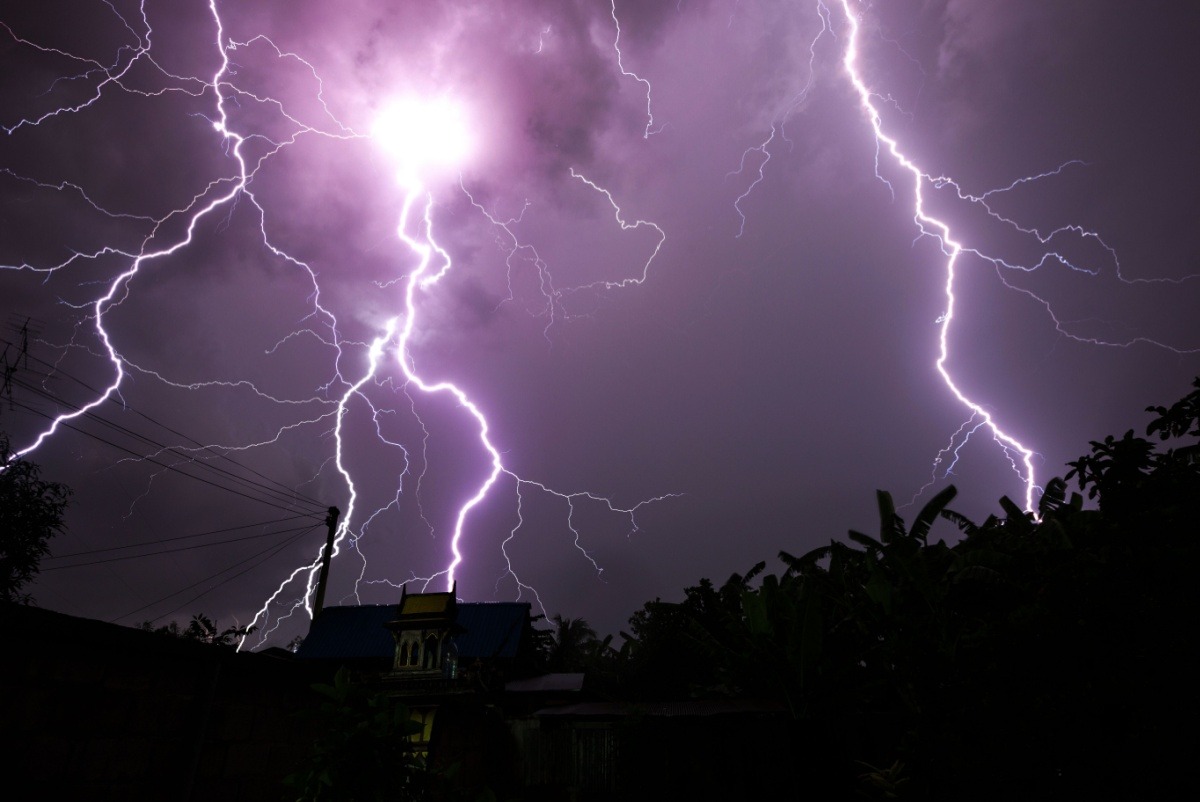
Dark clouds roll across the Little Rock skyline. The wind picks up. Rain begins to fall in heavy sheets. Then a bright flash splits the sky, followed by thunder that rattles windows and echoes through your home. Arkansas thunderstorms can arrive quickly and leave just as fast. But even after the skies clear, lightning can leave behind damage you cannot immediately see.
While a storm may pass in minutes, lightning strikes can have lasting effects on your home’s electrical system, appliances, and sensitive electronics. Many homeowners underestimate how lightning impacts wiring, panels, and connected devices. The damage is not always dramatic or obvious. Sometimes it is subtle, slowly shortening the lifespan of expensive equipment.
At Staley Electric, we have helped protect homes across Central Arkansas since 1951. Our team works with homeowners to identify storm-related risks, inspect potential damage, and install protective solutions that strengthen electrical systems for the long term.
What Happens When Lightning Strikes Near Your Home?
Lightning does not have to hit your house directly to cause problems. In fact, nearby strikes are often responsible for electrical damage.
A direct strike to a home is rare but extremely destructive. When lightning hits a structure, it can travel through wiring, plumbing, and framing materials. The intense surge of electricity can instantly destroy electronics, melt wiring insulation, and even start fires.
More commonly, lightning strikes a power line, transformer, or the ground near your property. When this happens, excess voltage travels through utility lines and into connected homes. This surge enters through the main service line and spreads through your electrical panel, affecting every circuit in the house.
Even if the voltage spike lasts only a fraction of a second, it can overwhelm circuit boards and sensitive components. Because modern homes rely heavily on electronics, even a brief surge can create widespread issues.
Common Signs of Lightning-Related Electrical Damage
After a thunderstorm passes, some warning signs may appear immediately. Others may develop over time.
- Tripped Breakers: If multiple breakers trip at once during or after a storm, a surge may have entered your panel. Resetting them without further inspection can restore power, but it does not guarantee that the equipment was unaffected.
- Flickering or Dimming Lights: If lighting flickers or dims after a storm, wiring or internal components may have been stressed by voltage fluctuations.
- Damaged Outlets and Switches: If you notice outlets that no longer work, feel warm, or show discoloration, lightning-related surges may be to blame.
- Malfunctioning Appliances: Refrigerators may struggle to maintain temperature. HVAC systems may fail to start. Televisions or computers may not power on at all.
- Burning Odors: A faint smell of melting plastic or scorched insulation may indicate internal damage to wiring or circuit boards. If you detect unusual smells, it is important to contact a licensed electrician promptly.
How Lightning Affects Appliances & Smart Home Devices
Modern homes contain more technology than ever before. That technology increases comfort and convenience, but it also increases vulnerability during storms.
- HVAC systems rely on circuit boards to control compressors and thermostats. A lightning surge can instantly destroy these components or gradually weaken them, leading to premature system failure.
- Refrigerators and ovens contain sensitive electronics that regulate temperature and timers. Even if the appliance appears functional after a storm, internal damage may shorten its lifespan.
- Televisions, computers, and gaming systems are especially susceptible. These devices contain delicate microprocessors designed for stable voltage conditions. A sudden spike can permanently damage internal circuitry.
- Routers and modems are frequently affected as well. Lightning can travel through cable or phone lines, damaging networking equipment and disrupting internet connectivity.
- Smart home automation systems introduce additional risk. Connected lighting, security cameras, doorbell systems, and smart thermostats depend on integrated circuit boards. When lightning causes a surge, these interconnected systems may all be impacted simultaneously.
Because so many devices now rely on electronic components, the potential cost of lightning-related damage has grown significantly.
The Importance of Whole-Home Surge Protection
One of the most effective defenses against lightning-related damage is whole-home surge protection. Unlike basic power strips that protect individual devices, a whole-home surge protector is installed at the electrical panel. It monitors incoming voltage and diverts excess electricity safely into the ground before it reaches your home’s circuits.
This panel-level protection acts as a shield. When a lightning strike or power line surge sends excess voltage toward your home, the surge protection device activates in a fraction of a second. By redirecting the spike, it reduces the likelihood of damage to appliances and electronics.
Professional installation ensures the surge protector is properly rated for your home’s electrical capacity and installed in accordance with code. When installed correctly, it provides long-term protection that extends across every circuit.
Steps to Take After a Lightning Storm
If your home experiences a strong thunderstorm, a few precautionary steps can help identify potential problems.
- Inspect Your Breaker Panel: If breakers have tripped, reset them carefully. If they trip again immediately, leave them off and contact an electrician.
- Check Major Appliances: Ensure your HVAC system cycles normally. Confirm refrigerators are cooling properly and electronics power on as expected.
- Note Any Unusual Lights, Sounds, or Odors: These signs warrant professional evaluation.
- Don’t Attempt Repairs Yourself: Even if damage appears minor, hidden wiring issues may exist behind walls.
If you suspect lightning-related damage, schedule a licensed electrical inspection. A trained electrician can test circuits, evaluate panels, and identify compromised components before they create larger problems.
Protect Your Home for the Long Term
Lightning-related damage can be costly and dangerous if left unchecked. What begins as a brief storm can lead to long-term system strain, expensive appliance replacements, or hidden fire risks.
Since 1951, Staley Electric has proudly served Little Rock and communities throughout Central Arkansas with a commitment to safety and professionalism. As a third-generation electrical contractor, we understand how regional weather affects local homes. We provide surge protection installation, thorough electrical inspections, and storm damage assessments designed to protect your property.
When the next thunderstorm rolls across the Arkansas sky, make sure your home is prepared. Contact Staley Electric today to schedule an inspection or learn more about whole-home surge protection. With the right safeguards in place, you can weather the storm with confidence.