
Little Rock is a city defined by its character. From the stately Victorians in the Quapaw Quarter to the charming mid-century bungalows of Hillcrest and the Heights, our older neighborhoods offer a unique history and architectural soul that you simply can’t find in new developments. Living in a historic home is a point of pride for many Arkansans, but as any vintage homeowner knows, that beauty often comes with a bit of “personality” beneath the surface.
While these homes were built to last, their electrical systems were designed for a different era. When many of Little Rock’s classic homes were wired, the height of domestic technology was a single radio and a few incandescent light bulbs. Today, we are plugging in high-efficiency HVAC systems, electric vehicle chargers, 4K televisions, and high-powered kitchen appliances. The “hidden” infrastructure of these vintage homes was never intended to shoulder the massive power demands of 21st-century life. Understanding the common pitfalls of older electrical systems is the first step in ensuring your historic treasure remains a safe haven.
Insufficient Power Capacity: The 60-Amp Struggle
One of the most common issues we encounter in older Little Rock properties is an undersized electrical service. In the mid-20th century, a 60-amp or 100-amp service was more than enough to power a household. However, by modern standards, this is often insufficient.
Think of your electrical service like a water pipe: the “amps” represent the pipe’s width. Today’s homes typically require at least a 200-amp service to safely operate modern conveniences. When you try to run a central air conditioning unit, a clothes dryer, and a microwave simultaneously on a 60-amp service, you are essentially trying to force a fire hose worth of water through a straw. This leads to frequent tripped breakers, dimmed lights, and—most dangerously—heat buildup within your panel as it struggles to keep up with the demand.
Ungrounded Two-Prong Outlets: The Missing Safety Net
If your home still features the classic two-prong outlets, you are missing a critical safety component: the ground wire. In a modern three-prong outlet, the third “round” hole serves as a dedicated “path of least resistance” for electricity to follow in the event of a surge or a short circuit.
Many homeowners attempt to bypass this by using “cheater plugs” or adapters that turn a two-prong outlet into a three-prong one. While this might allow you to plug in your laptop, it does nothing to protect the device or your home. Without a proper grounding system, excess electricity has no safe place to go. If a surge occurs, that energy can travel through your expensive electronics or, worse, through a person. Upgrading to grounded outlets isn’t just about convenience; it’s about creating a safety net for your family and your technology.
Flickering Lights and Overloaded Circuits: The Warning Signs
Do your lights dim every time the refrigerator kicks on? Do you have one specific outlet that makes a faint “crackle” sound? These aren’t just quirks of an old house—they are warning signs that your wiring is being pushed past its limit.
In older homes, it was common to “daisy-chain” multiple rooms onto a single circuit. In a modern context, this means your master bedroom, the hallway, and the home office might all be drawing power from a single thin wire. When a circuit is overloaded, the wire heats up. Over time, this heat causes the protective insulation around the wire to become brittle and flake away, leaving bare copper exposed behind your walls. This “arcing” is one of the leading causes of electrical fires in historic homes. If you notice persistent flickering or breakers that refuse to stay reset, your home is telling you that its internal infrastructure is exhausted.
The Dangerous DIY Legacy: What’s Hiding Behind the Walls?
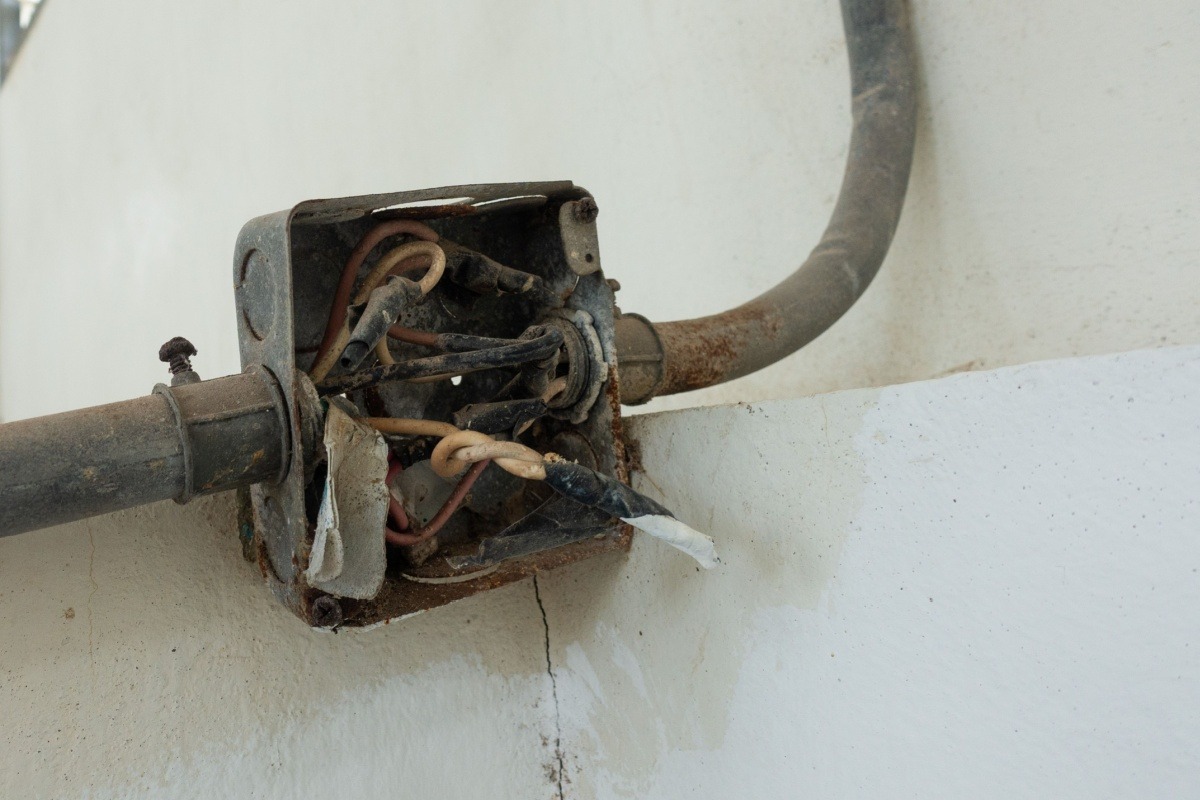
Perhaps the most unpredictable element of an older home is the “handyman legacy.” Over the span of 50 or 70 years, a house passes through many hands. Unfortunately, not all of those hands belonged to licensed electricians.
We often discover “creative” wiring solutions hidden behind plaster walls—junction boxes buried where they can’t be accessed, oversized fuses installed to stop a circuit from blowing (a major fire hazard), or the infamous “penny in the fuse box” trick. These DIY repairs may have worked for a decade, but they rarely meet modern safety codes and often create ticking time bombs. Part of our job at Staley Electric is “electrical archaeology,” or peeling back the layers of past repairs to ensure everything is brought up to a single, safe, and professional standard.
Preserving History with Professional Care
At Staley Electric, we have spent years becoming the go-to experts for historic home care in Little Rock. Our reputation for reliability is built on a foundation of respect for the home’s integrity and a commitment to the owner’s safety. We understand that we aren’t just working on a building; we are preserving a piece of Arkansas history.
Our team knows how to navigate the unique challenges of vintage electrical systems, ensuring your home meets 2026 safety standards without losing its 1926 soul. We use the latest diagnostic tools to identify hidden hazards and provide clear, efficient pathways to modernize your power capacity.
Is your vintage home ready for the demands of modern life? Don’t leave your property’s safety to chance or outdated tech. Contact Staley Electric today to schedule a comprehensive electrical evaluation for your vintage home. Let us help you keep your historic Little Rock home beautiful, functional, and, above all, safe.